
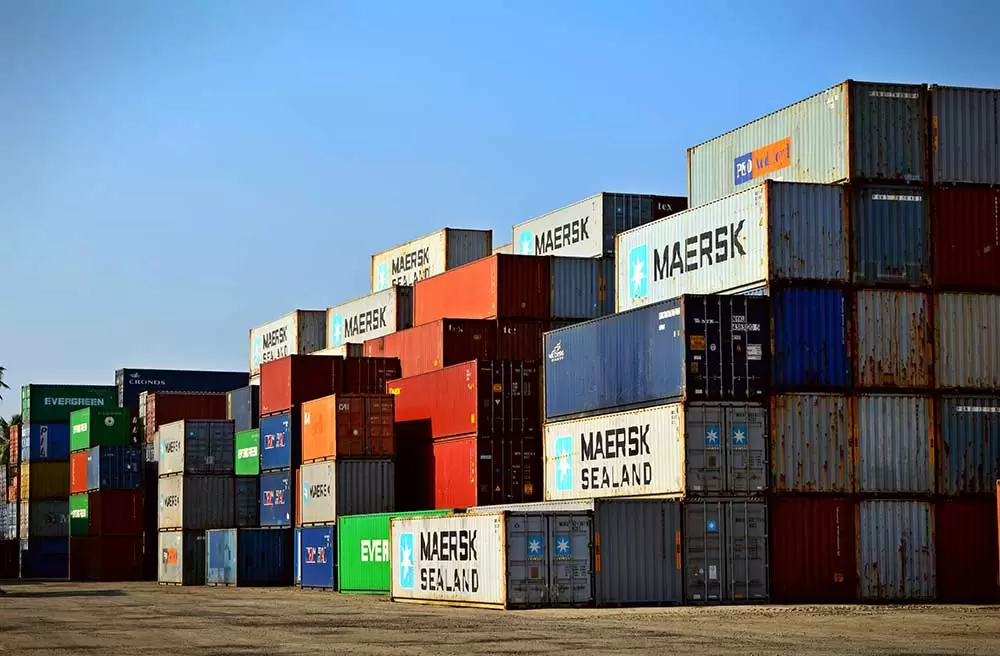
Introduction 🌏
Hey there, savvy trader! 👋 Ever wondered why Indonesia keeps popping up on every serious commodity investor’s radar these days? Well, you’re in for a treat! 🍬 Indonesia isn’t just about breathtaking beaches and vibrant culture—it’s a commodity powerhouse that’s quietly revolutionizing global trade markets. 📈
As the world’s largest archipelago nation, Indonesia sits on a treasure trove of natural resources that are in high demand across international markets. From the coffee in your morning cup to the nickel in your electric vehicle battery, chances are you’ve already enjoyed products sourced from this tropical paradise. ☕🔋
In this comprehensive guide, we’re diving deep into the top 10 Indonesian commodities that should be on every foreign trader’s watchlist right now. Whether you’re a seasoned import-export professional or just testing the waters of international trade, this article will equip you with the insights needed to make informed decisions and potentially skyrocket your profit margins. 💰
Ready to discover what makes Indonesia’s export market so irresistible? Let’s jump right in! 🚀
Why Indonesia is a Commodity Goldmine in 2025 💎
Indonesia’s commodity sector has been experiencing unprecedented growth, and 2025 is shaping up to be a landmark year for foreign traders looking to tap into this vibrant market. 📊 The country’s strategic position in global supply chains, combined with its abundant natural resources, creates a perfect storm of opportunity for international businesses.
According to recent trade data, Indonesia’s export value continues to climb, with commodities leading the charge (The Value of Exports – Statistical Data, 2025) . The Indonesian government’s push for downstream processing—adding value to raw materials before export—has further enhanced the appeal of Indonesian commodities in global markets. 🏭
What’s particularly exciting is how Indonesia is leveraging its resource wealth while embracing sustainability practices. For instance, the palm oil industry is undergoing significant transformation to meet international environmental standards, opening doors to premium markets that previously avoided Indonesian products due to ecological concerns. 🌱
The country’s young, dynamic workforce and improving infrastructure also contribute to its competitive advantage. Major ports are being upgraded, digital trade platforms are simplifying transactions, and regulatory reforms are making it easier than ever for foreign traders to do business with Indonesian suppliers. 📱✈️
With the global economy increasingly seeking diversified supply chains, Indonesia stands out as a reliable partner offering both volume and variety in commodity exports. It’s no wonder that smart traders are shifting their focus to this Southeast Asian gem! 💎
How to Evaluate High-Potential Indonesian Commodities 🔍
Before we dive into our top 10 list, let’s talk strategy. 🧠 Not all commodities are created equal, and successful traders know that identifying the right opportunities requires careful evaluation. So how do you separate the wheat from the chaff in Indonesia’s bustling commodity markets?
First, consider global demand trends. A commodity might be abundant in Indonesia, but if the international market isn’t hungry for it, you’re fighting an uphill battle. 🌍 Look for products with consistent or growing demand in key markets like China, the European Union, and North America. Current market analysis shows that Indonesian exports are diversifying beyond traditional markets, creating new opportunities for traders who can spot emerging trends (Indonesia (IDN) Exports, Imports, and Trade Partners, 2025) .
Next, assess the supply chain logistics. Indonesia’s archipelagic nature means that transportation costs and timelines can vary dramatically depending on the commodity’s origin. 🚢 Products from Java or Sumatra generally have easier access to international ports compared to those from more remote islands. Understanding these logistical realities will help you calculate accurate landed costs and delivery timelines.
Profit margins should be another key consideration. Look for commodities where Indonesia has a competitive advantage—either through quality, price, or unique characteristics that can’t be easily replicated elsewhere. 💰 The magic happens when you find products where Indonesian suppliers can offer better value than competitors from other countries.
Finally, don’t overlook regulatory factors. Indonesia has been implementing various export regulations and quality standards that can impact your trading operations. 📋 Staying informed about the latest trade policies, certification requirements, and documentation procedures will save you from costly surprises down the road.
By applying these evaluation criteria, you’ll be well-positioned to identify the most promising Indonesian commodities for your trading portfolio. Now, let’s get to our exciting top 10 list! 🏆
1. Palm Oil (CPO & RBD) 🌴
Let’s start with the undisputed king of Indonesian commodities—palm oil! 🏆 Indonesia is the world’s largest producer of palm oil, accounting for nearly 60% of global supply. This versatile vegetable oil is used in everything from food products and cosmetics to biofuels, making it a cornerstone commodity that offers consistent global demand.
What’s particularly interesting for traders in 2025 is how the Indonesian palm oil industry is evolving. In response to international environmental concerns, major producers are implementing sustainable practices that are opening doors to premium markets willing to pay more for certified sustainable palm oil. 🌱 The Indonesian Palm Oil Association (GAPKI) reports that exports of certified sustainable palm oil have increased by 25% in the first half of 2025 alone.
For foreign traders, both Crude Palm Oil (CPO) and Refined, Bleached, and Deodorized (RBD) palm oil present opportunities. CPO offers higher margins but requires more processing, while RBD palm oil commands premium prices in food-grade markets. 📊 The current price trend shows RBD palm oil trading at approximately $950 per ton, with analysts projecting steady demand growth through 2025 and beyond.
When sourcing palm oil from Indonesia, working with RSPO (Roundtable on Sustainable Palm Oil) certified suppliers can give you a competitive edge in environmentally conscious markets. 🤝 Major producing regions include Sumatra and Kalimantan, with Medan and Dumai being key export ports.
The recent EU Deforestation Regulation (EUDR) has created some challenges, but Indonesian suppliers who can demonstrate compliance with sustainability standards are finding new opportunities in European markets. 🌍 For traders who can navigate these regulatory waters, palm oil remains a golden opportunity with substantial profit potential.
2. Nickel & Stainless Steel Products ⚡
If you’re paying attention to the global energy transition, then Indonesian nickel needs to be on your radar! 🔋 Indonesia holds the world’s largest nickel reserves, and this strategic metal is essential for electric vehicle batteries and stainless steel production. With the EV market projected to grow exponentially, Indonesian nickel is positioned as a critical resource for the green economy.
What makes this commodity particularly exciting for traders in 2025 is Indonesia’s push for downstream processing. Rather than just exporting raw nickel ore, the country now requires processing into higher-value products like ferronickel and nickel pig iron before export. 🏭 This policy has transformed Indonesia from a raw material supplier to a producer of value-added nickel products, creating new opportunities for traders dealing in processed metals.
The numbers speak volumes: Indonesia’s nickel export value jumped by 40% in 2024, with stainless steel products leading the charge (Indonesia’s Top 10 Export Products in 2025: Key Insights, 2025) . Major markets include China, Japan, and increasingly, European countries focusing on renewable energy infrastructure. 🌍
For traders looking to enter this market, understanding the different nickel products is crucial. Class 1 nickel (99.8% pure) commands premium prices for battery applications, while Class 2 nickel is primarily used in stainless steel. The current market price for nickel pig iron hovers around $14,000 per ton, with stainless steel products varying based on grade and specifications. 📈
The Indonesian government’s investment in smelters and processing facilities has improved product quality consistency, making Indonesian nickel products more competitive globally. 🏗️ For traders who can develop relationships with reliable Indonesian nickel suppliers, this commodity offers exposure to both industrial manufacturing and the booming clean energy sector.
3. Coffee (Sumatra, Java, Toraja) ☕
Move over, Colombia and Brazil—Indonesian coffee is making serious waves in the global specialty coffee market! ☕ While Indonesia is the world’s fourth-largest coffee producer, it’s the unique characteristics of Indonesian beans that have international buyers lining up. The distinctive earthy, spicy notes of Sumatran coffee, the bright acidity of Java beans, and the complex profiles of Toraja coffee offer something truly special for discerning coffee enthusiasts.
The specialty coffee market has been growing at 8-10% annually globally, and Indonesian origin coffees are commanding premium prices due to their distinctive flavor profiles. 🌱 In 2025, Indonesian specialty coffee beans are selling for $4-8 per pound at origin, compared to $1-2 for commercial grade beans—a margin that savvy traders can capitalize on.
What’s particularly exciting is how Indonesian coffee farmers are embracing quality improvements. Through initiatives like government-sponsored training programs and international partnerships, processing methods have been upgraded to highlight the unique terroir of Indonesian coffee-growing regions. 🌿 The result is consistently higher-quality beans that are winning awards in international coffee competitions.
For foreign traders, building relationships with coffee cooperatives in regions like Aceh (for Gayo coffee), North Sumatra (for Mandheling coffee), and the highlands of Sulawesi (for Toraja coffee) can provide access to exclusive microlots that command premium prices in specialty markets. 🤝 Direct trade relationships not only ensure better quality control but also contribute to sustainable farming practices that are increasingly important to end consumers.
The rise of third-wave coffee culture in Asia, North America, and Europe creates expanding markets for high-quality Indonesian coffee. ☕ With proper branding and storytelling about the unique characteristics of Indonesian beans, traders can position themselves in the premium segment of this growing market.
4. Cocoa & Cocoa Butter 🍫
Calling all chocolate lovers—Indonesia is the world’s third-largest cocoa producer, and this commodity is experiencing a remarkable renaissance! 🍫 While Indonesian cocoa was historically used primarily for mass-market chocolate production, recent years have seen a significant shift toward quality improvement and value-added processing.
In 2025, Indonesian cocoa beans are increasingly sought after by craft chocolate makers in Europe and North America who appreciate the unique flavor profiles. 🌱 The Indonesian government’s cocoa rejuvenation program, which replaced aging trees with higher-yielding, disease-resistant varieties, is starting to bear fruit—literally! Production quality has improved dramatically, with fermented beans scoring above 80 on the 100-point international quality scale.
For traders, both cocoa beans and processed cocoa products offer opportunities. Raw cocoa beans are currently trading at around $2,800 per ton, but value-added products like cocoa butter and cocoa powder command significantly higher margins. 📈 The demand for cocoa butter, in particular, has surged due to its use not just in chocolate but also in cosmetics and pharmaceuticals.
What makes Indonesian cocoa particularly attractive is the growing number of certified sustainable and organic producers. 🌿 These certifications open doors to premium markets willing to pay 15-30% above market prices for ethically sourced cocoa. Major production regions include Sulawesi, which accounts for about 70% of Indonesia’s cocoa output, with smaller but significant production in Sumatra and Java.
The Indonesian Cocoa Association reports that exports of processed cocoa products grew by 22% in 2024, reflecting the industry’s successful shift toward downstream processing. 🏭 For traders who can develop relationships with Indonesian cocoa processors, there’s significant profit potential in this sweet commodity market.
5. Rubber (Natural & Processed) 🛞
Let’s talk about rubber—Indonesia’s original “green gold” that continues to play a vital role in global industries! 🛞 As the world’s second-largest rubber producer after Thailand, Indonesia supplies approximately 30% of the world’s natural rubber, which is essential for everything from tires and medical gloves to footwear and industrial components.
The rubber market has been particularly interesting in 2025, with prices rebounding strongly to around $1,800 per ton for TSR 20 (Technically Specified Rubber) as manufacturing sectors recover from pandemic disruptions. 📈 What’s more, the growing emphasis on sustainability has increased demand for natural rubber as a renewable alternative to synthetic petroleum-based rubber in many applications.
For foreign traders, understanding the different rubber grades and their applications is crucial. Indonesia produces various rubber types, including Ribbed Smoked Sheets (RSS), Standard Indonesian Rubber (SIR), and technically specified rubbers like TSR 20. 📊 Each grade serves different market segments, from premium tire manufacturing to general rubber goods production.
The Indonesian rubber industry is also embracing sustainability certifications like GlobalG.A.P. and Rainforest Alliance, which open doors to environmentally conscious markets. 🌱 These certified rubber products typically command 10-15% price premiums, creating attractive margins for traders who can source certified materials.
Major rubber-producing regions include Sumatra (North Sumatra, South Sumatra, and Riau), Kalimantan, and parts of Java. 🌿 The port of Belawan in North Sumatra is a key export hub for Indonesian rubber, with well-established logistics for international shipments.
With the global automotive industry recovering and the medical sector’s rubber consumption remaining strong, Indonesian rubber presents a stable yet profitable opportunity for traders looking to diversify their commodity portfolio. 🚗💨
6. Seafood (Tuna, Shrimp, Crab) 🐟
Dive into Indonesia’s seafood exports—a rapidly growing sector that’s making waves in global markets! 🌊 As the world’s second-largest seafood producer after China, Indonesia offers an incredible variety of high-quality marine products that are increasingly sought after by international buyers.
What’s particularly exciting in 2025 is how Indonesian seafood exporters are embracing sustainability certifications and value-added processing. 🐟 Tuna, especially yellowfin and bigeye varieties from the waters around Eastern Indonesia, is in high demand in Japanese and European markets. With prices for sustainably caught tuna reaching $8-12 per kilogram, this represents significant profit potential for traders who can navigate the complex supply chain.
Indonesia’s shrimp industry has also undergone remarkable transformation. 🦐 After facing disease challenges in previous years, the sector has rebounded with improved farming practices and biosecurity measures. Vannamei shrimp, in particular, has seen export growth of 18% in 2024, with the United States and European Union being the primary markets. Current prices for processed shrimp range from $7-15 per kilogram, depending on size and processing method.
Crab products, especially crab meat and soft-shell crab, represent another high-value opportunity. 🦀 Indonesian crab meat is prized in American seafood restaurants and Asian markets, with prices reaching $15-25 per kilogram for premium grades. The industry has made significant progress in sustainable fishing practices, with several major crab fisheries obtaining MSC (Marine Stewardship Council) certification.
For foreign traders, building relationships with Indonesian seafood processors who can meet international food safety standards (such as HACCP and BRC) is essential. 🏭 The Indonesian government has been supportive of the seafood export sector, simplifying permit processes and investing in cold chain infrastructure to maintain product quality during transport.
With global seafood consumption continuing to rise and Indonesia’s competitive advantage in both wild-caught and aquaculture products, this commodity sector offers excellent growth potential for savvy traders. 🌍
7. Spices (Cloves, Nutmeg, Cinnamon) 🌶️
Ready to add some flavor to your trading portfolio? Indonesia’s spice trade is literally the stuff of legends—historically worth more than gold! 🌶️ Today, Indonesian spices continue to command premium prices in global markets, with growing demand for authentic, sustainably sourced products.
Indonesia is the world’s largest producer of cloves and nutmeg, accounting for approximately 75% and 60% of global supply respectively. 🌿 These spices are essential not just for culinary applications but also for traditional medicines, cosmetics, and flavor extracts. In 2025, Indonesian cloves are trading at $7,000-8,000 per ton, while nutmeg reaches $12,000-15,000 per ton for premium grades.
What’s particularly exciting for traders is the growing demand for organic and traceable spices. 🌱 European and North American consumers are increasingly willing to pay premium prices for spices that can be traced back to specific Indonesian regions and farming cooperatives. This trend has created opportunities for traders who can develop direct relationships with spice-growing communities in places like the Maluku Islands (the original Spice Islands) and Sulawesi.
Cinnamon, particularly the unique Korintje variety from Sumatra, represents another high-value opportunity. 🌿 Indonesian cinnamon has a distinctive flavor profile that commands premium prices in specialty food markets. With prices ranging from $3,000-5,000 per ton depending on quality and processing, cinnamon offers attractive margins for traders who can source high-quality products.
The Indonesian spice industry is also embracing value-added processing. 📈 Rather than just exporting raw spices, many producers now offer essential oils, extracts, and pre-packaged consumer products that command significantly higher margins. For traders, these processed spice products often represent better profit opportunities despite higher initial costs.
With global spice consumption growing at 3-5% annually and Indonesia’s unmatched reputation for quality and authenticity, the spice trade offers both stability and premium profit potential for foreign traders. 💰
8. Cassava & Tapioca Starch 🍠
Don’t underestimate the humble cassava—this versatile root crop is emerging as a superstar in Indonesia’s export portfolio! 🍠 As global industries seek sustainable alternatives to traditional ingredients, Indonesian cassava and tapioca starch are finding their way into everything from food products and pharmaceuticals to biofuels and biodegradable packaging.
Indonesia is one of the world’s top cassava producers, with output exceeding 20 million tons annually. 🌱 What makes this commodity particularly interesting for traders in 2025 is its multiple applications across diverse industries. Tapioca starch, derived from cassava, is in high demand as a gluten-free alternative in food manufacturing, with prices ranging from $450-600 per ton depending on quality and processing method.
The bioplastics industry represents an exciting growth avenue for Indonesian cassava. 🌿 With major brands committing to reducing plastic waste, cassava-based bioplastics are gaining traction as sustainable packaging alternatives. The Indonesian government has been supporting this development through incentives for cassava processing facilities, creating a more reliable supply chain for export products.
For foreign traders, understanding the different cassava product grades is essential. 📊 Native tapioca starch commands premium prices in food applications, while modified cassava starch serves industrial markets. Each grade has different specifications, quality requirements, and price points, allowing traders to segment their market approach.
Major cassava-producing regions include Lampung and East Java, where processing facilities are concentrated. 🏭 The port of Tanjung Priok in Jakarta serves as the primary export hub, with well-established logistics for containerized shipments.
With the global trend toward plant-based and sustainable materials showing no signs of slowing down, Indonesian cassava products offer traders exposure to multiple growth industries while supporting environmentally conscious supply chains. 🌍
9. Coconut Products (VCO, Copra, Activated Carbon) 🥥
Let’s go nuts for coconuts—Indonesia’s coconut products are experiencing unprecedented global demand! 🥥 As the world’s largest coconut producer, Indonesia offers an incredible range of high-value coconut products that are finding their way into health foods, cosmetics, and industrial applications.
Virgin Coconut Oil (VCO) leads the pack in terms of value and growth potential. 🧴 With global consumers increasingly seeking natural, plant-based alternatives, Indonesian VCO has become a sought-after ingredient in food, cosmetics, and wellness products. Premium cold-pressed VCO can fetch $1,500-2,000 per ton, with organic and sustainably sourced products commanding even higher prices.
What’s particularly exciting is how Indonesian coconut processors are embracing value addition. 🌿 Rather than just exporting raw copra (dried coconut kernel), many Indonesian companies now produce a range of derivative products including coconut water, coconut milk, coconut cream, and coconut flour. These processed products typically offer 2-3 times the margin of raw materials, creating attractive opportunities for traders who can access reliable suppliers.
Activated carbon derived from coconut shells represents another high-value opportunity. 🔥 With applications ranging from water purification to air filtration and gold recovery, coconut shell-based activated carbon is prized for its superior microporosity compared to alternatives from other sources. Prices for activated carbon range from $2,000-5,000 per ton depending on purity and activation method.
For foreign traders, building relationships with Indonesian coconut processors who can meet international quality standards and certification requirements is essential. 🤝 Major coconut-producing regions include North Sulawesi, Riau Islands, and parts of Sumatra, with processing facilities increasingly concentrated near export ports for logistical efficiency.
With the global trend toward natural, plant-based products showing strong momentum, Indonesia’s coconut sector offers traders both stability and growth potential across multiple market segments. 🌱
10. Handicrafts & Natural Fiber Goods 🧺
Last but certainly not least on our list—Indonesia’s handicrafts and natural fiber goods are capturing the hearts (and wallets) of global consumers! 🧺 Beyond traditional commodities, Indonesia’s rich cultural heritage and artisanal traditions create unique opportunities for traders dealing in high-value, handcrafted products.
What’s particularly exciting in 2025 is how Indonesian handicrafts are finding premium positions in global markets. 🌿 From handwoven textiles and rattan furniture to batik clothing and wooden carvings, these products offer something that mass-produced alternatives cannot—authenticity and cultural significance. International buyers, particularly in Europe, North America, and Japan, are willing to pay premium prices for ethically sourced, artisanal products with compelling stories.
The natural fiber segment deserves special attention. 🌱 Indonesia is a significant producer of rattan, pandan, and other plant fibers used in furniture, home décor, and fashion accessories. With the global trend toward sustainable and eco-friendly products showing no signs of slowing, demand for these natural fiber products has grown by 25% annually since 2020.
For foreign traders, the key to success in this sector is developing direct relationships with artisan cooperatives and small-scale producers. 🤝 These relationships ensure product quality consistency while also contributing to sustainable livelihoods in Indonesian communities. Major handicraft-producing regions include Java (for batik and wooden crafts), Bali (for artistic goods), and parts of Sulawesi and Lombok (for weaving and textiles).
E-commerce platforms have revolutionized how Indonesian handicrafts reach global markets, with platforms like Etsy and specialized marketplaces creating direct connections between Indonesian artisans and international buyers. 📱 For traders, these platforms offer both sales channels and market intelligence on evolving consumer preferences.
With global consumers increasingly valuing authenticity, sustainability, and cultural connection in their purchasing decisions, Indonesia’s handicraft and natural fiber sector offers traders opportunities to engage with conscious consumerism while supporting traditional Indonesian craftspeople. 🌍
How to Source Indonesian Commodities Like a Pro 🛒
Now that we’ve explored the top 10 commodities worth your attention, let’s talk about how to actually source these products effectively. 🤝 Sourcing from Indonesia requires understanding local business practices, building reliable relationships, and navigating the unique aspects of the Indonesian market.
First, consider attending major Indonesian trade fairs and exhibitions. 📅 Events like the Trade Expo Indonesia (TEI), INACRAFT (for handicrafts), and sector-specific exhibitions provide excellent opportunities to meet multiple suppliers in one location. These events also offer insights into market trends and competitive positioning.
Digital platforms are increasingly important for connecting with Indonesian suppliers. 📱 Platforms like the Indonesia National Single Window (INSW) for trade documentation, as well as specialized B2B marketplaces, can help you identify verified suppliers. The Indonesian government has been investing in digital trade infrastructure, making it easier than ever to find and vet potential partners.
Building relationships with Indonesian business partners requires understanding local business culture. 🤝 Indonesians value personal relationships and trust in business dealings. Taking time for face-to-face meetings (even virtual ones), showing respect for local customs, and demonstrating long-term commitment can give you a significant advantage over competitors who take a purely transactional approach.
For many commodities, working with local agents or trading companies can be beneficial, especially when you’re starting out. 🌿 These partners understand the local landscape, can help navigate regulatory requirements, and often have established relationships with producers. Just be sure to conduct due diligence and work with reputable partners who can provide references and demonstrate successful track records.
Quality control is non-negotiable when sourcing from Indonesia. 📋 Implementing proper inspection protocols, whether through your own team or third-party inspection services, ensures that the products you receive meet your specifications. Many traders find it valuable to establish quality standards in their contracts and conduct pre-shipment inspections to avoid costly disputes.
By approaching Indonesian sourcing strategically and respectfully, you can build supply chains that provide reliable, high-quality products while creating mutual value for all parties involved. 🌍
Logistics & Export Readiness: What Foreign Buyers Need to Know 🚢
Great products don’t mean much if they can’t reach your market efficiently! 🚢 Understanding Indonesian logistics and export requirements is crucial for successful trading. Let’s break down what foreign buyers need to know to ensure smooth operations.
First, let’s talk about shipping options. Indonesia’s archipelagic geography means that logistics can be complex, with products often requiring multiple transportation legs before reaching international ports. 🌊 Major international ports include Tanjung Priok (Jakarta), Tanjung Perak (Surabaya), Belawan (Medan), and Makassar, each serving different production regions. Sea freight is the most common option for bulk commodities, while air freight serves high-value, time-sensitive products.
Documentation is where many traders stumble, so pay close attention! 📋 Indonesian exports require various documents including commercial invoices, packing lists, certificates of origin, and specific commodity-related certificates (such as phytosanitary certificates for agricultural products). The Indonesian government has been working to streamline these processes through digital platforms, but requirements can vary by commodity and destination country.
Understanding Incoterms is crucial for defining responsibilities and costs in your trading relationships. 📊 FOB (Free On Board) is commonly used for Indonesian exports, meaning the seller is responsible for delivering goods to the port and loading them, while the buyer handles ocean freight and insurance. However, CIF (Cost, Insurance, and Freight) might be preferable if you’re new to Indonesian trade, as it transfers more logistics responsibility to the seller.
Working with experienced freight forwarders who specialize in Indonesian exports can make a world of difference. 🌍 These professionals understand local port operations, documentation requirements, and the most efficient shipping routes. They can help navigate challenges like port congestion, customs clearance procedures, and transshipment requirements.
For many commodities, proper packaging and handling during transit is essential to maintain quality. 📦 This is particularly important for agricultural products, spices, and seafood that may require temperature control or moisture protection. Indonesian suppliers are increasingly aware of international packaging standards, but it’s wise to specify your requirements clearly in contracts.
By getting these logistics fundamentals right, you’ll ensure that the quality commodities you source from Indonesia arrive at their destination in optimal condition, ready to command the prices you’ve calculated in your business plan. 🏆
Pro Tips: Maximize Margin & Minimize Risk 💡
Ready to take your Indonesian commodity trading to the next level? 💡 These pro tips will help you maximize your profit margins while minimizing the risks inherent in international trade.
First, diversify your supplier base. 🌿 Relying on a single supplier for any commodity exposes you to significant risk if that supplier faces production problems, quality issues, or business challenges. Develop relationships with multiple suppliers across different regions of Indonesia. This not only provides backup options but also gives you better bargaining power and market intelligence.
Always conduct thorough due diligence before entering into agreements with Indonesian suppliers. 🔍 This includes verifying business licenses, checking references, visiting production facilities when possible, and starting with smaller trial orders before committing to larger volumes. The Indonesian Investment Coordinating Board (BKPM) can be a valuable resource for verifying legitimate businesses (Indonesia: Brief Profile 2025 Domestic Economy Trade and, 2025) .
Understanding seasonality is crucial for many Indonesian commodities. 📅 Agricultural products like coffee, cocoa, and spices have specific harvest seasons that affect availability and pricing throughout the year. Planning your purchasing schedule around these cycles can help you secure better prices and ensure consistent supply. Create a calendar of harvest seasons for the commodities you trade and time your purchases strategically.
Currency fluctuations can significantly impact your profit margins. 💰 The Indonesian Rupiah (IDR) can be volatile, so consider hedging strategies or pricing agreements that account for currency risk. Many experienced traders negotiate price adjustment clauses in their contracts that account for significant currency movements.
Invest in quality control throughout the supply chain, not just at final inspection. 📋 This means establishing clear quality specifications, conducting pre-production checks when possible, implementing in-process quality controls, and conducting final pre-shipment inspections. The cost of proper quality control pales in comparison to the potential losses from rejected shipments or customer complaints.
Finally, stay informed about regulatory changes in both Indonesia and your destination markets. 🌍 Trade policies, import regulations, and certification requirements can change, potentially affecting your operations. Subscribe to updates from relevant government agencies, industry associations, and trade publications to stay ahead of regulatory developments.
By implementing these pro tips, you’ll build a more resilient and profitable trading business that can navigate the complexities of the Indonesian commodity market successfully. 🚀
Future-Proof Your Trade Strategy: What’s Next? 🔮
The world of commodity trading is constantly evolving, and staying ahead of trends is crucial for long-term success. 🔮 Let’s explore what’s on the horizon for Indonesian commodities and how you can position your trading business for future growth.
Sustainability is no longer just a buzzword—it’s becoming a fundamental requirement in global commodity markets. 🌱 Indonesia is increasingly aligning its export sectors with international sustainability standards, creating both challenges and opportunities for traders. Commodities with strong sustainability credentials, such as certified sustainable palm oil, responsibly sourced seafood, and organically produced spices, are likely to see growing demand and price premiums.
The downstream processing trend is set to continue and accelerate across multiple commodity sectors. 🏭 Rather than exporting raw materials, Indonesia is increasingly adding value through processing and manufacturing before export. For traders, this means shifting focus from raw commodities to processed products that typically offer higher margins and more stable markets. Keep an eye on emerging processing capabilities in sectors like nickel, cocoa, and coconut products.
Digital trade technologies are transforming how international business is conducted. 📱 Blockchain for supply chain transparency, artificial intelligence for market analysis, and digital platforms for supplier discovery are becoming essential tools for competitive traders. Indonesian government initiatives to digitalize trade processes are making it easier to conduct business remotely and efficiently.
New commodity sectors are emerging in Indonesia beyond traditional agricultural and mineral products. 🌿 The bioeconomy sector, including biofuels, bioplastics, and biochemicals derived from Indonesian biomass, shows tremendous growth potential. Additionally, Indonesia’s rich biodiversity is creating opportunities in the natural ingredients sector for pharmaceuticals, cosmetics, and functional foods.
Regional trade agreements are reshaping market access for Indonesian commodities. 🌍 Indonesia’s participation in agreements like RCEP (Regional Comprehensive Economic Partnership) and its developing trade relationships with African and Middle Eastern countries are creating new market opportunities. Traders who understand these evolving trade landscapes can position themselves advantageously.
By staying informed about these trends and continuously adapting your trading strategies, you can build a business that not only succeeds today but thrives in the evolving global commodity markets of tomorrow. 🚀
Conclusion: Your Indonesian Commodity Journey Begins Now! 🌟
Wow, what an incredible journey through Indonesia’s commodity landscape! 🌟 From the vast palm oil plantations of Sumatra to the spice-rich Maluku Islands, from the nickel mines of Sulawesi to the artisan workshops of Java, Indonesia offers an unparalleled diversity of high-value commodities for international traders.
We’ve explored how Indonesia combines abundant natural resources with improving infrastructure and growing processing capabilities to create unique opportunities in global markets. 🌍 The country’s strategic position in Southeast Asia, combined with its young workforce and government support for export industries, makes it an increasingly attractive sourcing destination for traders worldwide.
The top 10 commodities we’ve discussed—palm oil, nickel, coffee, cocoa, rubber, seafood, spices, cassava, coconut products, and handicrafts—represent just the beginning of what Indonesia has to offer. 📊 Each of these sectors has its own dynamics, opportunities, and challenges, but all show strong potential for traders who approach them strategically and respectfully.
What’s clear is that Indonesia’s commodity sector is evolving rapidly. 🚀 The shift toward sustainability, value addition, and digital trade is creating new possibilities for traders who can adapt to these changing dynamics. By building strong relationships with Indonesian suppliers, understanding local business practices, and staying informed about market trends, you can position your trading business for success in this exciting market.
As global supply chains continue to diversify and consumers increasingly seek authentic, sustainably produced products, Indonesia’s role in international trade is set to grow even further. 🌱 For traders who establish themselves now, the coming years could bring remarkable opportunities and profits.
So are you ready to tap into Indonesia’s commodity wealth? 🤝 The opportunities are waiting, and with the right approach, your Indonesian commodity trading journey could be your most successful business venture yet!
Ready to Start Your Indonesian Commodity Trading Adventure? 🚀
The world of Indonesian commodities is vast, exciting, and full of profit potential—but navigating it successfully requires the right partners and expertise. 🌟 That’s where M2B comes in! We’re not just a logistics company; we’re your dedicated partner in unlocking Indonesia’s incredible commodity wealth.
With years of experience connecting international traders with Indonesia’s finest suppliers, we understand the ins and outs of this dynamic market. 🤝 From sourcing high-quality products to handling complex documentation, managing logistics, and ensuring smooth customs clearance, we’ve got you covered at every step of your trading journey.
Whether you’re interested in palm oil, coffee, spices, seafood, or any of Indonesia’s other amazing commodities, our team of experts is ready to help you: ✅ Connect with verified, reliable suppliers across Indonesia ✅ Navigate regulatory requirements and documentation ✅ Optimize your logistics for cost-efficiency and reliability ✅ Implement quality control measures that protect your investment ✅ Stay informed about market trends and opportunities
Don’t let the complexities of international trade hold you back from tapping into Indonesia’s commodity goldmine! 💰 Our end-to-end solutions make it easier than ever to source high-quality Indonesian products and get them to your market efficiently and profitably.
Ready to turn Indonesian commodities into your next big success story? 👉 Contact M2B today for your free consultation and customized sourcing plan! Let’s build your profitable Indonesian commodity trading business together! 🌏✨
Get Your Free Sourcing Consultation Now
References
Indonesia. (n.d.). Business Guide Indonesia. Retrieved from https://kemlu.go.id/files/repositori/74504/Business%20Guide%20Indonesia-EN.pdf
Asian Exim Banks. (2025). Indonesia: Brief Profile 2025 Domestic Economy Trade and. Retrieved from https://asianeximbanks.org/sites/default/files/media/doc/Indonesia_2025.pdf
OEC World. (2025, September). Indonesia (IDN) Exports, Imports, and Trade Partners. Retrieved from https://oec.world/en/profile/country/idn
Tendata. (2025, September). Indonesia’s Top 10 Export Products in 2025: Key Insights. Retrieved from https://www.tendata.com/blogs/export/10239.html
World Bank. (n.d.). Indonesia Trade | WITS | Text. Retrieved from https://wits.worldbank.org/countrysnapshot/IDN/textview
BPS Statistics Indonesia. (2025, September). The Value of Exports – Statistical Data. Retrieved from https://www.bps.go.id/en/statistics-table/2/MTk2IzI=/the-value-of-exports–million-us–.html