
Introduction: The Invisible Barrier to Import Profitability
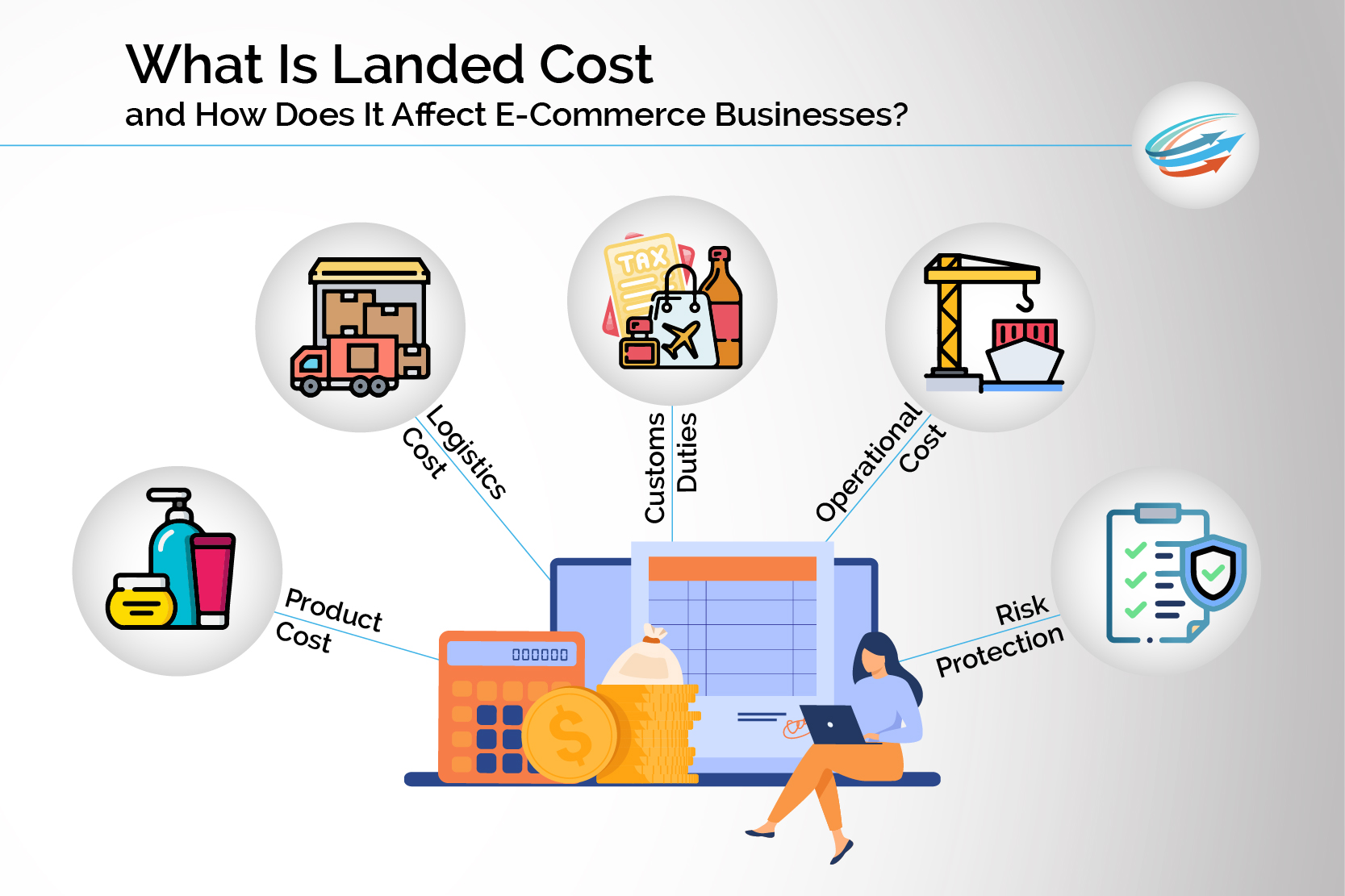
In the high-stakes arena of Indonesian international trade, there is an invisible force that can turn a lucrative deal into a financial nightmare overnight: Currency Volatility. As we move through the fiscal landscape of 2026, the relationship between the Indonesian Rupiah (IDR) and the US Dollar (USD) remains one of the most critical variables for any business relying on global supply chains.
For an importer in Jakarta, Surabaya, or Medan, a sudden 2% spike in the USD-IDR rate doesn’t just mean a more expensive invoice; it triggers a cascade of increased import duties, higher Value Added Tax (VAT), and inflated local handling charges. When your margins are thin, the “exchange rate trap” is more than a nuisance—it’s a threat to business continuity.
At M2B Logistics, we see the struggle daily. However, volatility doesn’t have to mean vulnerability. By adopting a proactive, data-driven approach, Indonesian importers can build a “financial shield” that stabilizes their Landed Costs even when the markets are in turmoil.
The 2026 Economic Landscape: Why the Rupiah is Dancing
To fight the volatility, we must first understand its rhythm. In 2026, several global and domestic factors are driving the IDR’s movement:
- Global Interest Rate Shifts: Decisions by the U.S. Federal Reserve and Bank Indonesia continue to create “carry trade” ripples that impact currency strength.
- Trade Balance Dynamics: Indonesia’s shift toward Hilirisasi (downstreaming) has strengthened the export side, but the demand for imported machinery and technology components remains a heavy weight on the IDR.
- Geopolitical Risk Premiums: Tensions in global trade routes, such as the ongoing complexities in the South China Sea and the Middle East, often drive investors toward “safe-haven” currencies like the USD, putting pressure on emerging market currencies.
Strategy 1: Implement Dynamic Hedging and Forward Contracts
The most common mistake among MSME importers is relying solely on the “Spot Rate”—paying for goods at whatever the price happens to be on the day of the transaction. In a volatile year like 2026, this is essentially gambling with your operational budget.
Strategic Forward Contracts allow you to lock in an exchange rate for a future date. If you know you need to pay $50,000 for a shipment arriving in three months, you can agree on a rate today. Even if the Rupiah plunges by 5% in the meantime, your cost remains fixed.
Pro-Tip: Work with trade finance specialists to balance your “hedged” and “unhedged” portions. Diversifying your currency exposure is the first step toward landed cost stability.
Strategy 2: Leverage Real-Time “Landed Cost” Automation
You cannot manage what you cannot measure accurately. Many importers still calculate their costs using “estimated kurs” on a spreadsheet, only to find a massive discrepancy when the final PIB (Pemberitahuan Impor Barang) is processed by Customs.
In 2026, the “Golden Standard” is real-time integration. The Customs Calculator is designed to solve this exact pain point. By pulling live tax exchange rates directly from the Ministry of Finance (Kemenkeu), our portal allows you to:
- Simulate different exchange rate scenarios before placing an order.
- Accurately predict the total IDR outlay required for BM (Import Duty), PPN (VAT), and PPh (Income Tax).
- Adjust your selling price in the Indonesian market before the goods even leave the origin port.
Strategy 3: Re-evaluate Your Incoterms (CIF vs. FOB)
The choice between CIF (Cost, Insurance, and Freight) and FOB (Free On Board) is often seen as a logistical choice, but it is deeply tied to currency risk.
Under CIF, your overseas supplier chooses the carrier and currency for freight. This often results in hidden “buffer” fees added by the supplier to protect themselves against currency shifts. By switching to FOB terms, you take control of the logistics through a local partner like M2B Logistics.
When you control the freight, you can negotiate rates in IDR or use your own preferred currency management tools, removing the “black box” of supplier-inflated shipping costs.
Strategy 4: Strategic Inventory Stockpiling and “Bulk-Buy” Cycles
When the Rupiah shows signs of a temporary strengthening trend, it is often the best time for “Strategic Stockpiling.” Instead of importing monthly “just-in-time” (JIT), savvy 2026 importers are using AI-driven demand forecasting to identify windows of currency strength.
By importing larger volumes when the IDR is strong, you effectively lower the average landed cost of your entire year’s inventory. This “Currency-Averaging” strategy requires more warehouse space, but in a high-volatility environment, the savings on duties and taxes often far outweigh the additional storage costs.
Strategy 5: Utilizing Regional Trade Agreements (RCEP and CEPA)
One of the most effective ways to offset currency-driven cost increases is to eliminate other costs—specifically Import Duties. Indonesia is a member of the Regional Comprehensive Economic Partnership (RCEP) and various Comprehensive Economic Partnership Agreements (CEPA).
By sourcing goods from countries within these agreements and ensuring your suppliers provide a valid Certificate of Origin (COO), you can often reduce your import duty to 0%. This massive saving provides a significant “buffer” that can absorb even severe currency fluctuations, keeping your final landed cost competitive.
Technology: The Role of Predictive AI in Finance
The future of import management lies in the integration of AI. Predictive algorithms can now analyze 24-hour global news cycles, commodity price shifts, and central bank sentiments to give importers a “heads-up” on potential currency swings.
At M2B Logistics, we are integrating these predictive insights into our Digital Portal. We believe that information is the ultimate currency. Knowing that a “Red Channel” inspection is likely for certain HS codes during a currency spike can help you decide whether to speed up or delay a shipment to protect your cash flow.
Social and Political Implications: Why Stability Matters
Stable landed costs aren’t just good for your balance sheet; they are vital for social stability in Indonesia. Rapid price increases for imported raw materials eventually lead to “Cost-Push Inflation,” affecting the purchasing power of everyday Indonesians.
Importers who manage their costs effectively contribute to a more resilient national economy. Furthermore, the Indonesian government’s focus on the National Logistics Ecosystem (NLE) is aimed at reducing “logistic costs as a percentage of GDP.” By becoming a more efficient, tech-savvy importer, you are aligning your business with national strategic goals.
M2B Logistics: Your Financial and Logistical Guardrail
Navigating the turbulent waters of USD-IDR volatility requires more than a shipping agent; it requires a Solution Partner. At M2B Logistics, we combine local regulatory expertise with global digital innovation.
Our portal is more than just a tracking tool. It is a strategic dashboard that helps you:
- Audit your HS Codes to ensure you aren’t overpaying duties.
- Calculate landed costs with 100% transparency using live Kemenkeu data.
- Monitor global disruptions that might impact your shipment’s time-to-market.
📥 Empower Your Business Decisions Today
Currency risk is inevitable, but financial loss is optional. Success in the 2026 trade environment belongs to those who prepare.
👉 Download the Full M2B Company Profile & Digital Capability Deck
🚀 DON’T LET VOLATILITY ERASE YOUR MARGINS!
Are you tired of “hidden costs” in your import process? Let the experts at M2B Logistics conduct a comprehensive audit of your current supply chain. We will help you identify duty-saving opportunities and implement currency-risk mitigation strategies.
👉 GET A STRATEGIC CONSULTATION ON WHATSAPP
Pro-Tip: Mention code “LANDED-COST-M2B” to receive a free “Landed Cost Simulation” for your next shipment from China, USA, or Europe!
M2B Logistics — Intelligent Freight. Global Solutions. Protecting Your Margins in a Volatile World.