
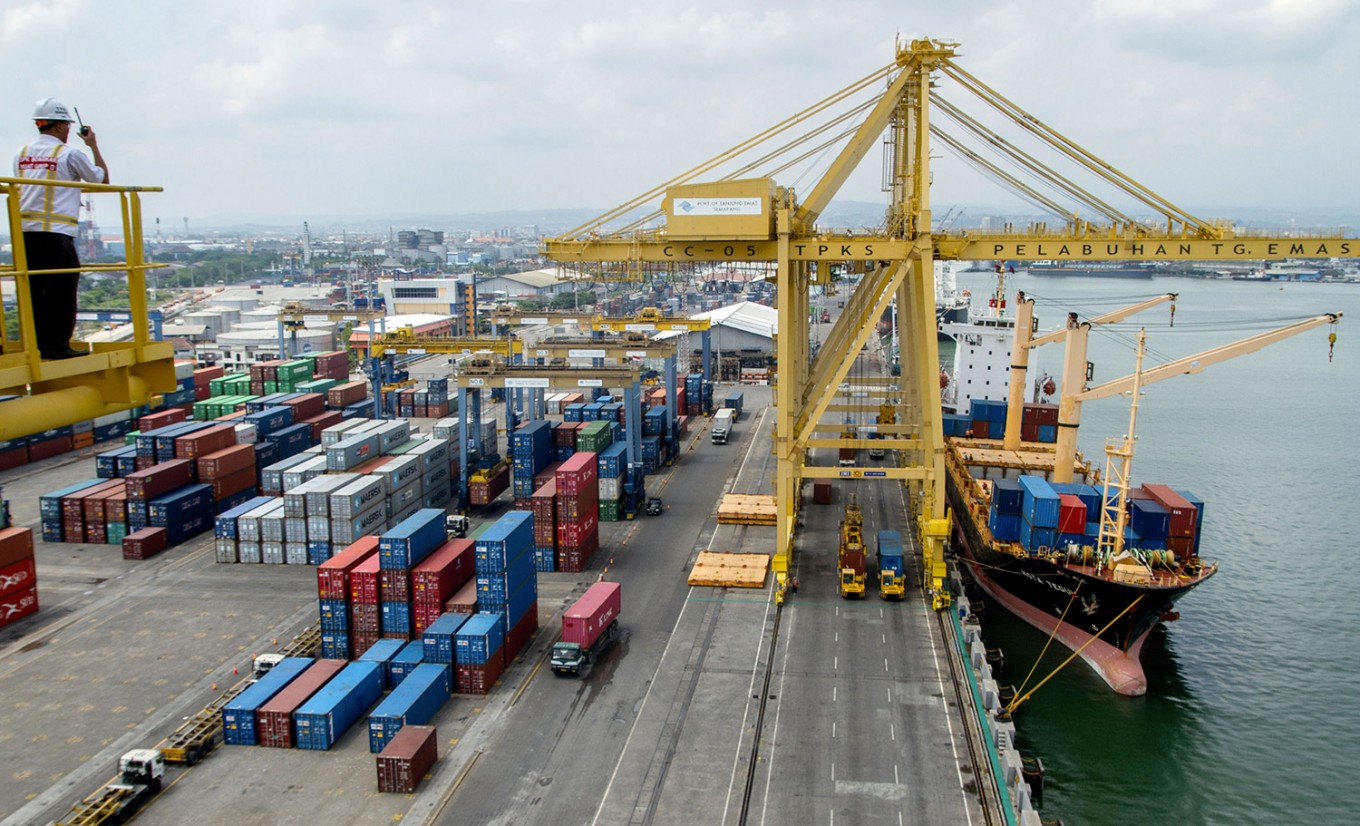
Why Indonesia’s Export Boom is Your Golden Ticket in 2025 🚀
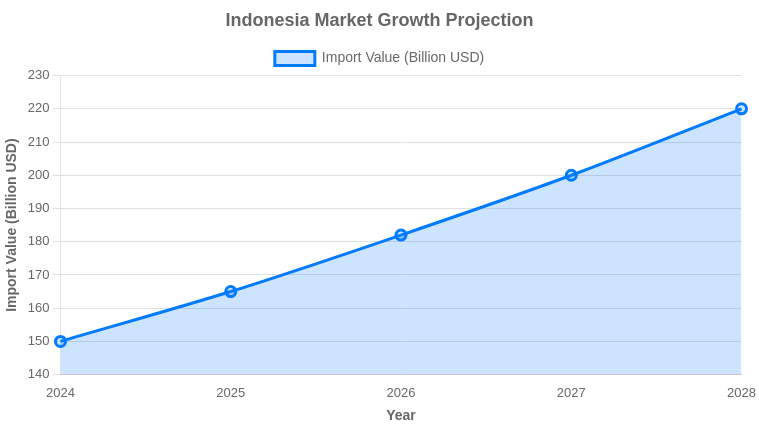
Indonesia isn’t just another player in the global export game—it’s rapidly becoming the heavyweight champion of Southeast Asian commodities! 🌏 With over 17,000 islands packed with natural resources and a government pushing hard for export growth, this archipelago nation is serving up incredible opportunities for savvy international buyers and sourcing professionals. The country’s export value is projected to smash through $280 billion in 2025, according to the latest BKPM Q2 report, driven by insatiable global demand for everything from EV minerals to premium coffee beans. 💸
What makes 2025 particularly special for Indonesian exports? The government’s recent regulatory overhaul through MOT Regulation 16/2025 has created new incentives for exporters while streamlining compliance procedures 📋. This means better access, faster processing, and more transparent sourcing for international buyers. Indonesia’s strategic position in global supply chains—especially for critical minerals and agricultural products—has never been stronger, with major economies like China, the EU, and India scrambling to secure long-term supply agreements (INDONESIA INTRODUCES NEW IMPORT POLICY …) .
The global shift toward sustainable sourcing has also played perfectly into Indonesia’s hands. 🌱 As buyers worldwide demand eco-certified products, Indonesia’s vast palm oil plantations, nickel mines, and coffee cooperatives are rapidly adapting to meet international sustainability standards. This isn’t just about quantity anymore—it’s about quality, traceability, and responsibility. The digital transformation of Indonesia’s export infrastructure, including the rollout of the National Logistics Ecosystem (NLE), has made it easier than ever for international buyers to connect with verified suppliers and track shipments from origin to destination.
For businesses looking to diversify their supply chains or tap into new product categories, Indonesia offers an unmatched combination of resource abundance, improving logistics, and government support. 📈 The country’s demographic dividend—young, growing workforce—ensures continued production capacity expansion, while infrastructure developments like the new Patimban Port and expanded toll roads are solving traditional logistics bottlenecks. Whether you’re sourcing raw materials, finished goods, or anything in between, Indonesia’s export landscape in 2025 is ripe with opportunity for those who know where to look.
1. Sustainable Palm Oil: Green Gold with Global Demand 🌴
Palm oil remains Indonesia’s export superstar, but 2025 is seeing a dramatic shift toward sustainability and value-added derivatives. 🌿 Indonesia produces over 50 million tons of crude palm oil (CPO) annually, accounting for nearly 60% of global supply, but the real story is in the evolution toward certified sustainable products that command premium prices in environmentally conscious markets. The EU’s deforestation-free regulation (EUDR) has pressured Indonesian producers to accelerate sustainability certifications, creating new opportunities for buyers seeking fully traceable, conflict-free palm oil products.
What’s hot in 2025? RSPO-certified CPO and ISPO-certified derivatives are seeing unprecedented demand from food manufacturers, cosmetic producers, and biofuel companies. 🌍 The Indian market, traditionally focused on price, is increasingly demanding certified sustainable palm oil as its own consumers become more environmentally aware. Meanwhile, China’s massive food processing industry continues to absorb Indonesian palm oil at record volumes, with imports up 23% in Q1 2025 compared to the previous year.
The real opportunity lies in downstream products—Indonesia is no longer just exporting crude oil but refined products like olein, stearin, and palm kernel oil derivatives that offer higher margins and better logistics efficiency. 🏭 Recent government incentives through MOT Regulation 16/2025 have encouraged further domestic processing, meaning international buyers can access finished products ready for direct use in manufacturing (INDONESIA INTRODUCES NEW IMPORT POLICY …) . This value-added approach reduces import duties for buyers and creates more stable supply chains.
For sourcing professionals, the key is working with suppliers who can provide full traceability from plantation to port. 📱 Blockchain-based tracking systems are becoming standard among top-tier Indonesian producers, allowing buyers to verify sustainability claims and monitor shipment status in real-time. The Indonesian Palm Oil Association (GAPKI) reports that RSPO-certified exports grew by 35% in 2024, with projections for even stronger growth in 2025 as more companies commit to net-zero supply chains.
2. Nickel & EV Minerals: Powering the Global Energy Revolution ⚡
If there’s one commodity that’s putting Indonesia on the global map in 2025, it’s nickel—and the country is sitting on the world’s largest reserves! 🔋 With the electric vehicle (EV) revolution in full swing, Indonesia has transformed from a raw nickel exporter to a critical player in the global battery supply chain. The country’s downstream processing policy has paid off spectacularly, with domestic nickel processing capacity increasing by over 200% since 2020. Major investments from battery giants like CATL, LG Energy Solution, and BYD have created an integrated EV ecosystem that’s the envy of mineral-rich nations worldwide.
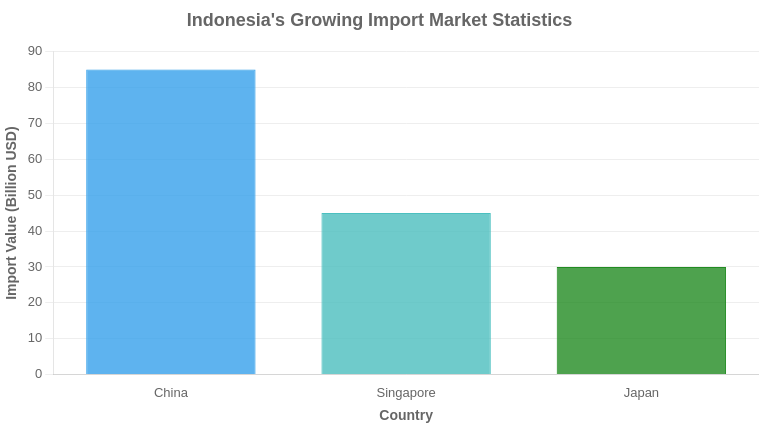
The numbers tell a compelling story: Indonesia’s nickel export value reached $35 billion in 2024 and is projected to exceed $45 billion in 2025 as new processing facilities come online. 📊 But it’s not just about quantity—Indonesia is now exporting high-purity nickel products like nickel matte, mixed hydroxide precipitate (MHP), and nickel sulfate that command premium prices in the battery market. These processed products offer better profit margins for Indonesian producers and more stable supply chains for global battery manufacturers.
What makes Indonesian nickel particularly attractive? The country’s ores are perfect for EV batteries—high in nickel content with low impurities. 🚗 Tesla’s recent $5 billion investment in an integrated battery plant in Central Sulawesi, announced in March 2025, signals the strategic importance of Indonesian nickel in the global energy transition. Similar commitments from Ford, Hyundai, and Panasonic ensure long-term demand growth for the foreseeable future.
For international buyers, the opportunity extends beyond nickel to other critical minerals like cobalt, bauxite, and copper that Indonesia produces in significant quantities. 🌐 The government’s recent regulatory updates through MOF Regulation 25/2025 have clarified export procedures for processed minerals, creating more predictable sourcing conditions (New Guidelines under Indonesia’s MOF Reg. 25/2025 on …) . This regulatory clarity, combined with Indonesia’s push for ESG-compliant mining practices, makes the country an increasingly reliable partner for critical mineral supply.
3. Specialty Coffee: From Volcanic Soil to Global Cups ☕
Indonesian coffee is experiencing a renaissance in 2025, as global consumers discover the incredible diversity and quality hidden in the archipelago’s volcanic highlands. 🌋 Once known primarily for mass-produced robusta, Indonesia is now winning international awards for its specialty arabica varieties from regions like Gayo (Aceh), Toraja (South Sulawesi), Kintamani (Bali), and Bajawa (Flores). These unique micro-climates produce distinctive flavor profiles—from the earthy, complex notes of Sumatran mandheling to the bright, floral characteristics of Javanese arabica—that coffee connoisseurs worldwide are willing to pay premium prices for.
The specialty coffee market has exploded, with Indonesian specialty exports growing by an astonishing 40% in 2024 alone. 📈 What’s driving this surge? A new generation of Indonesian coffee producers who understand international quality standards and have invested in processing methods like honey processing, natural fermentation, and controlled anaerobic fermentation that create extraordinary flavor profiles. These producers are working directly with international roasters, cutting out traditional middlemen and ensuring better prices for farmers while maintaining exceptional quality control.
Technology is transforming the Indonesian coffee landscape in 2025. 📱 Blockchain traceability platforms allow buyers to track beans from specific farms or cooperatives all the way to their roastery, providing complete transparency about growing conditions, processing methods, and farmer compensation. Some progressive Indonesian coffee exporters are even experimenting with NFT-based certification systems that verify both quality and sustainability claims—a game-changer for specialty buyers who want to market authentic, ethically sourced coffee to their customers.
The global specialty coffee market, valued at $45 billion in 2024, is projected to reach $65 billion by 2027, and Indonesia is perfectly positioned to capture an increasing share. 🌍 Recent Free Trade Agreements with key markets like Japan and South Korea have reduced tariffs on Indonesian specialty coffee, making it more competitive against established origins like Colombia and Ethiopia. For sourcing professionals, Indonesian coffee offers not just exceptional quality but also compelling stories of smallholder farmers, sustainable practices, and unique terroir that resonate with today’s conscious consumers.
4. Handcrafted Textiles & Batik: Where Tradition Meets Global Fashion 🧵
Indonesian textiles and batik are having a major moment in 2025, as global fashion brands increasingly seek authentic, sustainable, and culturally rich materials for their collections. 🎨 Once considered primarily handicrafts for tourists, Indonesian textiles are now appearing on runways from Paris to New York, with luxury brands like Dior, Hermès, and Stella McCartney collaborating with Indonesian artisans to create exclusive collections that command premium prices. The global slow fashion movement has created perfect conditions for Indonesian textiles’ renaissance, as consumers reject fast fashion in favor of pieces with stories, craftsmanship, and cultural significance.
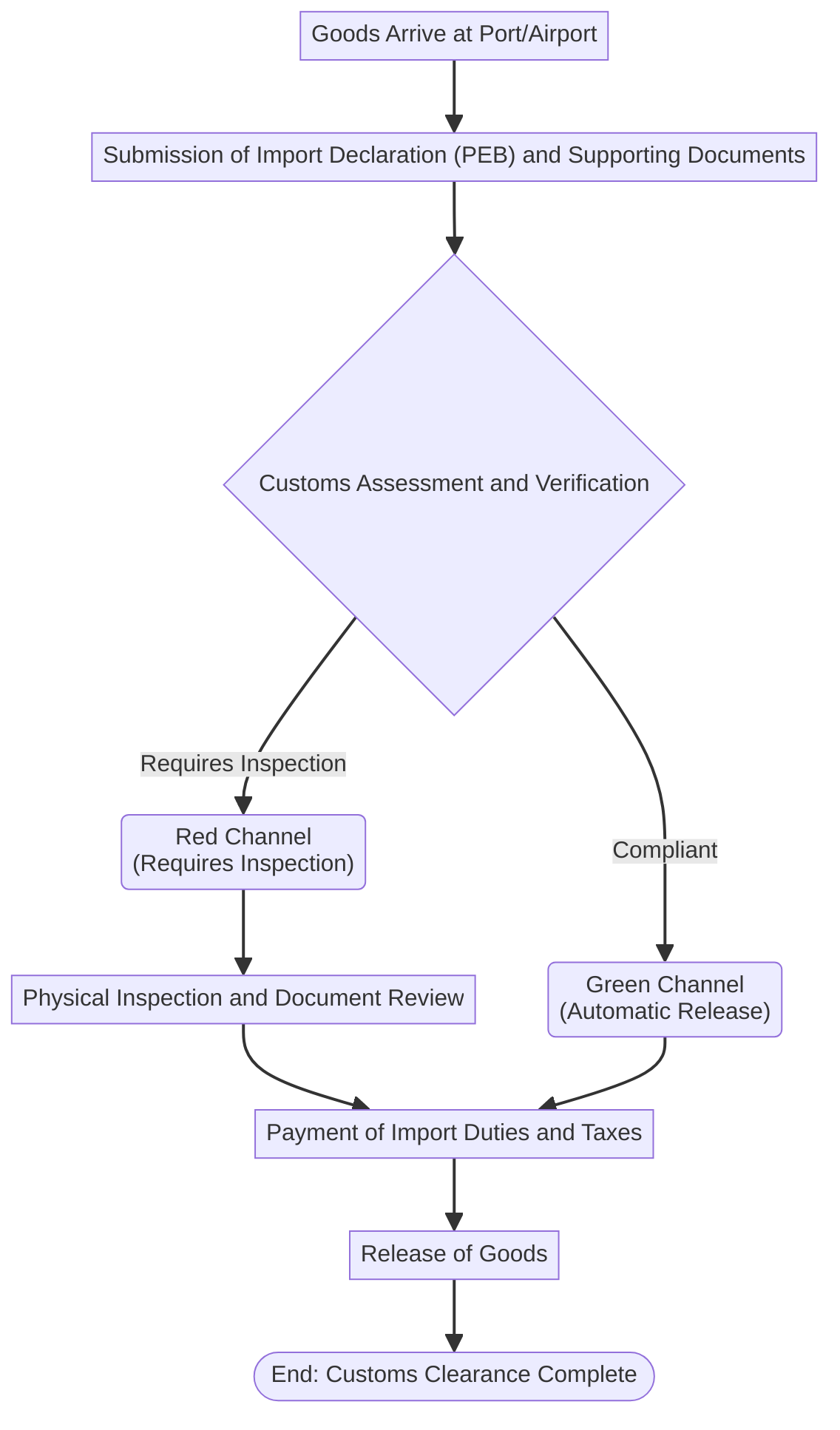
The numbers are impressive: Indonesia’s textile and garment exports reached $15.2 billion in 2024, with handcrafted and batik products growing at 25% annually—significantly outpacing mass-produced items. 📊 What makes Indonesian textiles particularly valuable is the combination of traditional techniques and contemporary design sensibilities. Regions like Yogyakarta, Solo, Pekalongan, and Bali have centuries-old weaving and batik traditions that are being reimagined by a new generation of designers who understand both heritage craft and global market trends.
Sustainability is the secret weapon driving Indonesian textile exports in 2025. 🌱 Traditional Indonesian textile production uses natural dyes derived from plants like indigo, morinda, and teak, as well as hand-spinning and hand-weaving techniques that have minimal environmental impact compared to industrial textile production. This eco-friendly profile aligns perfectly with the global fashion industry’s sustainability commitments, making Indonesian textiles increasingly attractive to brands working to reduce their environmental footprint.
The Indonesian government has recognized this potential and is supporting the sector through the “One District, One Center for Batik” program, which provides training, marketing support, and quality certification to traditional producers. 🏛️ Recent updates to export procedures through DGCE Regulation No. 5/2025 have simplified documentation for handicraft exports, making it easier for international buyers to source directly from artisan cooperatives (Key Changes In DGCE Regulation No. 5/2025) . For sourcing professionals in fashion and home décor, Indonesian textiles offer both exceptional quality and compelling sustainability narratives that resonate with today’s conscious consumers.
5. Coconut-Based Products: The Versatile Superstar of the Wellness Boom 🥥
Move over, coconut water—2025 is seeing an explosion in demand for Indonesia’s diverse coconut derivative products as the global wellness industry discovers the incredible versatility of this tropical treasure. 🌴 Indonesia is the world’s largest coconut producer, harvesting over 17 million coconuts annually, but the real story is in the value-added products that are transforming everything from food and beverage to beauty and bio-materials. The global coconut products market, valued at $30 billion in 2024, is projected to reach $45 billion by 2027, and Indonesia is capturing an increasing share of this lucrative sector.
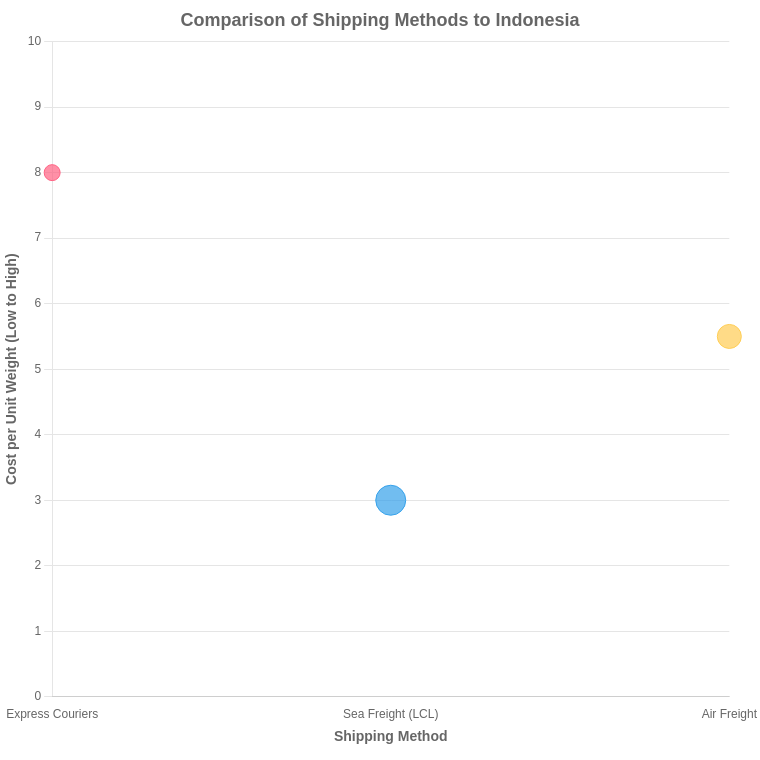
What’s driving this boom? The global shift toward plant-based, natural ingredients across multiple industries. 🥛 In food and beverage, Indonesian coconut sugar is replacing refined sugar in health-conscious products, while coconut milk and cream are becoming staples in plant-based dairy alternatives. The beauty industry is embracing coconut oil derivatives for their moisturizing and antimicrobial properties, with Indonesian exporters supplying major international brands like L’Oréal, Unilever, and The Body Shop. Even the packaging industry is discovering coconut husk fibers as sustainable alternatives to synthetic materials.
Indonesia’s competitive advantage lies in its massive production capacity and increasing sophistication in processing technologies. 🏭 While other countries can produce coconut products, Indonesia’s scale allows for consistent supply of large volumes—a critical factor for major international brands. The country has invested significantly in processing facilities that can extract maximum value from each coconut, producing not just oil and water but also coconut flour, coconut vinegar, nata de coco, and activated carbon from shells.
The sustainability narrative around Indonesian coconut products is particularly compelling for international buyers. 🌍 Unlike palm oil plantations, which often face criticism for deforestation, coconut trees are typically grown by smallholder farmers in mixed agroforestry systems that support biodiversity and provide livelihoods for millions of rural families. Many Indonesian coconut exporters are now offering organic and fair-trade certified products that command premium prices in European and North American markets. For sourcing professionals looking for natural, sustainable ingredients with transparent supply chains, Indonesia’s coconut sector offers unparalleled opportunity.
6. Biofuels: Powering the Green Energy Transition 🌱
Indonesia is positioning itself as a global biofuel powerhouse in 2025, leveraging its vast agricultural resources to become a key player in the renewable energy transition. ⚡ The country’s ambitious B35 program—mandating 35% biodiesel blend in domestic diesel fuel—has created massive domestic demand while spurring innovation in biofuel production technologies. This domestic market has served as a launchpad for Indonesian biofuel exporters who are now capturing growing international demand for sustainable aviation fuel (SAF), renewable diesel, and bioethanol.
The numbers are staggering: Indonesia’s biofuel exports reached $8.5 billion in 2024 and are projected to exceed $12 billion in 2025 as new production capacity comes online. 📊 What makes Indonesian biofuels particularly attractive is their feedstock diversity—while palm oil dominates current production, Indonesian producers are increasingly developing biofuels from waste materials like used cooking oil, agricultural residues, and even algae. This feedstock flexibility allows them to meet varying international sustainability standards and address concerns about food-fuel conflicts.
The aviation sector is creating the most exciting opportunities in 2025. ✈️ Singapore Airlines’ recent agreement to purchase 500 million liters of sustainable aviation fuel from Indonesian producers over the next five years signals a major breakthrough for the country’s biofuel industry. Similar agreements are being negotiated with carriers in Japan, South Korea, and Europe as the aviation industry faces pressure to reduce carbon emissions. Indonesian biofuel producers are responding with investments in advanced hydroprocessing technologies that can convert various feedstocks into high-quality aviation fuel meeting international specifications.
Indonesia’s strategic location between major energy markets in Asia and its extensive port infrastructure provide additional competitive advantages. 🌐 The government’s recent regulatory updates through MOT Regulation 16/2025 have created special economic zones for biofuel production with streamlined export procedures and tax incentives (INDONESIA INTRODUCES NEW IMPORT POLICY …) . For international energy companies and fuel distributors looking to secure sustainable fuel supplies, Indonesia offers both scale and technological sophistication in the rapidly growing biofuel sector.
7. Marine & Aquaculture Products: The Blue Economy’s Rising Star 🐟
Indonesia’s vast maritime territory—spanning over 17,000 islands and 81,000 kilometers of coastline—makes it a natural powerhouse in marine and aquaculture products. 🌊 In 2025, this blue economy sector is experiencing unprecedented growth as global demand for sustainable seafood and marine biotechnology products surges. Indonesia is now the world’s second-largest fish producer after China, with marine exports reaching $6.2 billion in 2024 and projected to hit $8 billion by 2025. What’s driving this growth? A perfect storm of improved aquaculture technologies, sustainable fishing practices, and rising global demand for high-quality protein sources.
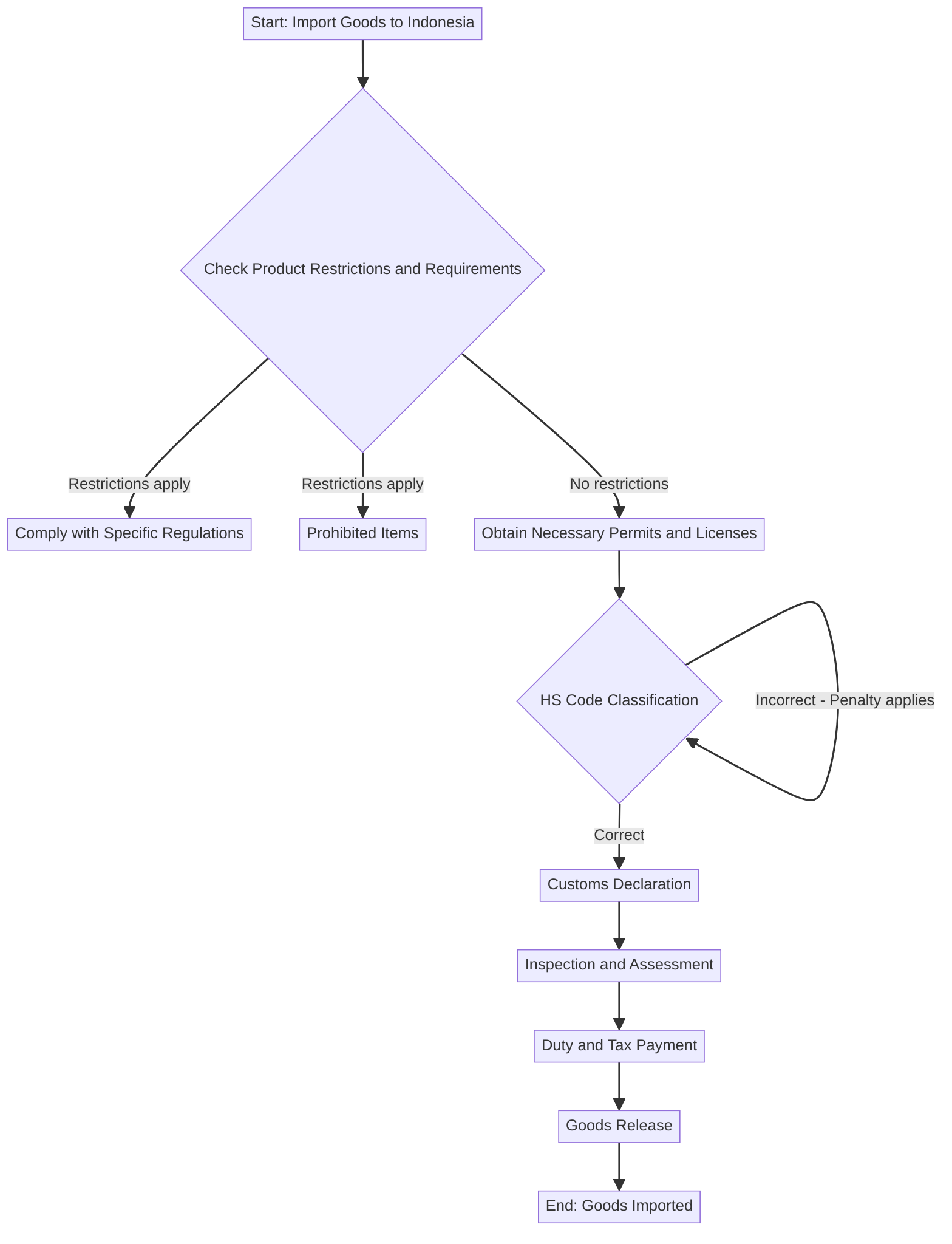
The aquaculture revolution is reshaping Indonesia’s seafood export landscape. 🦐 While traditional capture fisheries remain important, the real growth is in farmed species like shrimp, tilapia, pangasius, and high-value marine finfish. Indonesian producers have made remarkable progress in sustainable aquaculture practices, with many achieving international certifications like ASC (Aquaculture Stewardship Council) and BAP (Best Aquaculture Practices). These certifications open doors to premium markets in Europe, North America, and Japan where consumers demand proof of environmental and social responsibility.
Indonesia’s competitive advantage extends beyond traditional seafood to emerging marine biotechnology products. 🔬 The country’s extraordinary marine biodiversity—home to over 3,000 fish species and 600 coral species—makes it a treasure trove for marine-derived compounds used in pharmaceuticals, nutraceuticals, and cosmetics. Indonesian companies are now exporting fish collagen for beauty products, omega-3 concentrates for supplements, and even bioactive compounds for medical research. These high-value marine derivatives often command prices 10-20 times higher than traditional seafood products.
The government’s commitment to developing the blue economy is creating additional opportunities. 🏛️ Recent investments in cold chain infrastructure, port facilities, and quality control laboratories have significantly improved Indonesia’s ability to export fresh and frozen seafood products to distant markets. The implementation of electronic catch documentation systems and traceability platforms has enhanced transparency and reduced the risk of illegal, unreported, and unregulated (IUU) fishing—a major concern for international buyers. For sourcing professionals in food service, retail, and nutraceutical industries, Indonesia’s marine sector offers both volume and value across a diverse product portfolio.
How to Start Sourcing These Indonesian Commodities in 2025 🛒
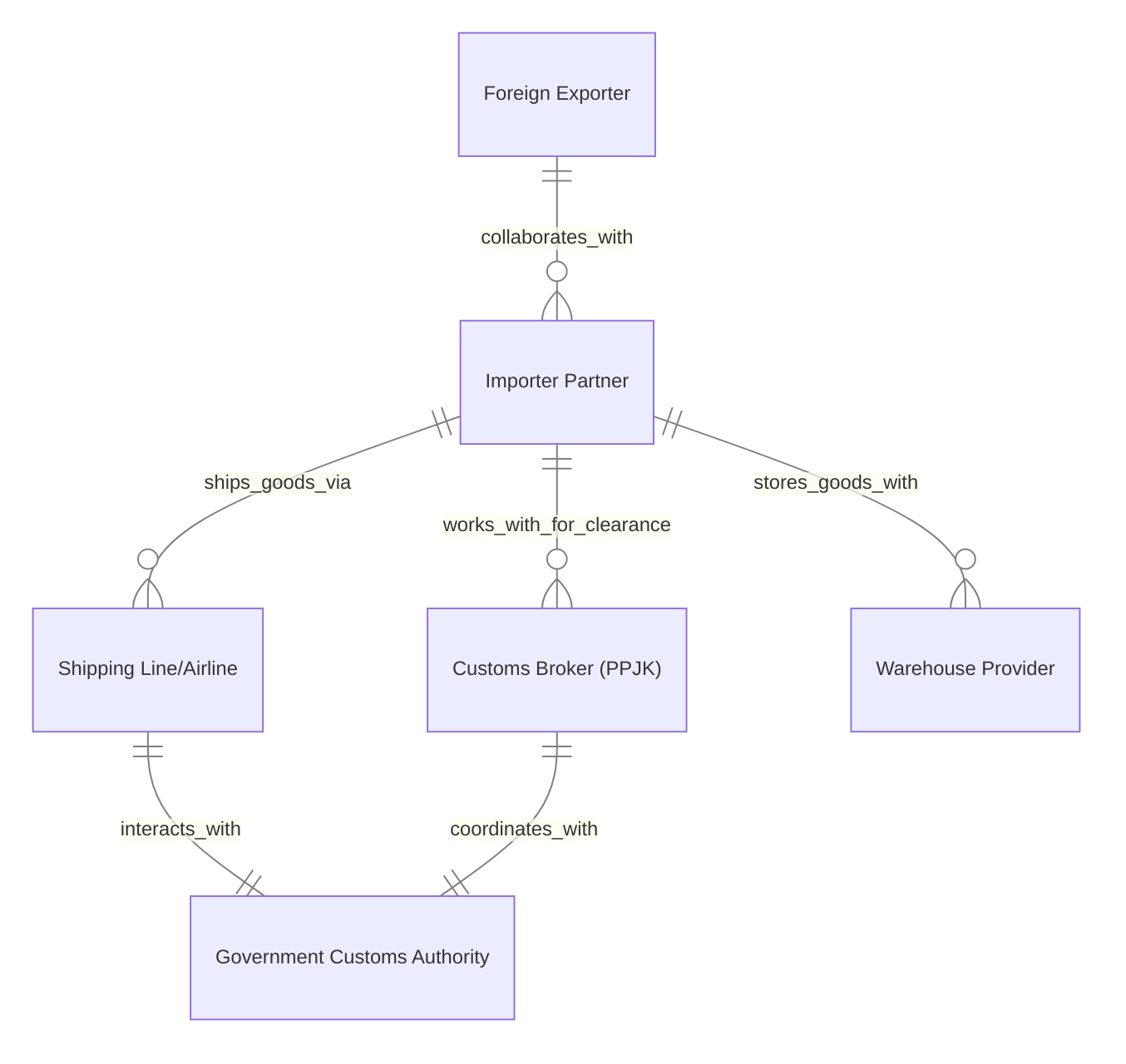
Now that you’re excited about Indonesia’s export potential, let’s talk about how to actually start sourcing these commodities successfully. 🤝 The key to entering the Indonesian market isn’t just finding suppliers—it’s building the right ecosystem of partners who understand both international business requirements and local operational realities. Indonesia’s business culture values relationships and trust, so taking time to establish proper connections will pay dividends in smoother transactions and better long-term partnerships.
First, identify your sourcing strategy: will you work directly with producers, through exporters, or via specialized trading companies? 📋 Direct relationships with producers can offer better pricing and more control over supply chains but require significant local presence and cultural understanding. Exporters handle logistics and documentation but may add margins. Trading companies offer convenience and market knowledge but at higher costs. The best approach depends on your volume requirements, technical specifications, and risk tolerance.
Second, invest in proper due diligence. 🔍 Indonesia has thousands of potential suppliers, but quality varies dramatically. Look for companies with proper export licenses, relevant international certifications, experience with your target markets, and references from other international buyers. For agricultural products, verify farming practices and sustainability credentials. For minerals, confirm processing capabilities and environmental compliance. Don’t rely solely on online research—consider visiting potential suppliers or hiring a local inspection agency to verify operations firsthand.
Third, understand the documentation requirements for your specific products. 📄 Each commodity category has different export documentation needs, from phytosanitary certificates for agricultural products to chemical analysis reports for minerals. Indonesian authorities have streamlined many procedures through the National Single Window system, but preparing proper documentation in advance remains crucial for smooth customs clearance. Recent regulatory updates have simplified some processes while adding new requirements for sustainability certifications, so staying current is essential.
Fourth, build a logistics network that matches your supply chain requirements. 🚢 Indonesia’s archipelagic geography means logistics can be complex, especially for commodities produced in remote areas. Work with freight forwarders who have experience with your specific product types and understand the nuances of Indonesian ports, customs procedures, and international shipping routes. Consider factors like transit times, temperature control needs, packaging requirements, and insurance coverage when planning your logistics strategy.
Finally, plan for cultural and operational differences in business practices. 🤝 Indonesian business moves at a different pace than many Western environments—relationship building takes time, and direct confrontation or aggressive negotiation styles can be counterproductive. Communication styles may be more indirect, and decision-making often involves consensus among multiple stakeholders. Patience, respect, and cultural sensitivity go a long way in building successful, sustainable sourcing partnerships in Indonesia.
Ready to Tap into Indonesia’s Export Goldmine? 🎯
You’ve just discovered Indonesia’s top 7 commodities with explosive export potential in 2025—from sustainable palm oil to cutting-edge biofuels, from world-class coffee to marine biotechnology treasures. 🌟 The opportunities are real, the timing is perfect, and the global demand has never been stronger. But knowing about these opportunities is just the first step—turning this knowledge into profitable sourcing relationships requires local expertise, established networks, and operational excellence on the ground in Indonesia.
That’s where we come in. 🚀 M2B isn’t just another logistics company—we’re your end-to-end partner for sourcing Indonesian commodities, with deep roots in every major producing region and relationships with the most reliable, quality-focused suppliers across the archipelago. Our team of local experts understands both international business standards and Indonesian operational realities, ensuring you get the products you need with the quality, sustainability certifications, and delivery reliability your business demands.
Don’t let sourcing challenges keep you from Indonesia’s $280+ billion export boom! Let M2B be your on-the-ground eyes, ears, and hands in Indonesia—from supplier vetting and quality control to export documentation and international shipping. Click below to get your FREE 2025 Indonesian Export Supplier Directory and book a complimentary 30-minute sourcing strategy session with our Indonesia commodity experts. 🌏
The Indonesian export opportunity of 2025 won’t wait—and neither should you! 📈 With limited capacity in sustainable production facilities and growing global competition for the best Indonesian commodities, early movers will secure the best suppliers, terms, and market positions. Whether you’re looking to source container loads of certified sustainable palm oil, secure long-term nickel supply contracts, or discover the next breakout specialty coffee origin, M2B has the local knowledge and international expertise to make it happen.
Take action today—your Indonesian sourcing success story starts now! 💼
References
INDONESIA INTRODUCES NEW IMPORT POLICY … (2025, August). Retrieved from https://ditralaw.com/wp-content/uploads/2025/08/Trade-Law-Legal-Update-MOT-Regulation-16-2025-20250818-Final.pdf
Key Changes In DGCE Regulation No. 5/2025. (2025, April). Retrieved from https://conventuslaw.com/report/indonesia-updates-import-customs-procedures-key-changes-in-dgce-regulation-no-5-2025/
New Guidelines under Indonesia’s MOF Reg. 25/2025 on … (2025, August). Retrieved from https://ssek.com/blog/new-guidelines-under-indonesias-mof-reg-25-2025-on-customs-provisions-for-imports-of-transferred-goods/