
Introduction: The Digital Hype Cycle vs. Reality 💻
In the last decade, the term “Digital Freight Forwarder” (DFF) has exploded into the logistics world. Promising instant quotes, 24/7 online booking, and AI-driven efficiency, DFFs positioned themselves as the inevitable disruption to traditional logistics firms. For importers, the appeal is clear: speed, transparency, and simplicity.
However, hype and reality often diverge, especially in the complex, regulation-heavy markets of Southeast Asia. While digitalization is non-negotiable, relying solely on a purely digital platform for critical, high-value shipments can expose importers to significant, unmanaged risks.
M2B, operating at the intersection of traditional expertise and modern technology, offers this data-driven review for importers questioning whether the DFF model is truly the optimal solution for their long-term supply chain needs.
1. Instant Quotes vs. Final Costs (The Transparency Myth) 💸
Digital Forwarders excel at providing instant rate comparisons. This transparency is revolutionary, but it often stops at the door of complexity.
The Critique: The instant quotes usually cover only the basic freight cost (port-to-port or door-to-port). They often fail to accurately predict or include the full scope of charges essential for importing into countries like Indonesia, such as terminal handling charges (THC) that fluctuate, complex duties, local government taxes, and demurrage fees arising from documentation errors.
M2B’s Take: Speed in quoting is great, but accuracy is better. A true partner provides a hybrid model: digital tools for quick estimates, combined with human oversight to pre-vet documentation and factor in specific customs nuances, ensuring the final bill matches the quote.
2. Automated Tracking vs. Real-Time Problem Solving (The Human Factor) 🙋
Real-time visibility is the cornerstone of the digital forwarding pitch. You can see your container’s location instantly via an online dashboard.
The Critique: Visibility answers the where, but not the why. When a shipment is stuck—due to a regulatory hold, unexpected port congestion, or a carrier strike—an automated system can only send an alert. It cannot call a local customs agent, reroute cargo based on market intelligence, or physically intervene to solve a crisis.
M2B’s Take: Our local teams understand the exception handling unique to the Indonesian and SEA market. Automation provides the visibility; our freight experts provide the immediate, human solution that gets your cargo moving again, transforming “alert” into “action.”
3. Standardized Solutions vs. Complex Shipments (The Niche Barrier) 🧩
DFFs are built for volume and standardization (FCL and LCL shipments that fit a simple profile). They thrive on shipments where the process is straightforward and repetitive.
The Critique: If your business requires specialized logistics—such as complex customs brokerage, managing oversized cargo, time-sensitive cold chain distribution, or multi-modal movements (sea-air)—the DFF’s standardized, “self-service” platform can become a limitation, not an advantage.
M2B’s Take: We advise importers with complex needs to prioritize forwarders that use technology to facilitate a bespoke solution, not replace the bespoke strategy itself. The human-centric model ensures your unique requirements are met with customized planning.
4. Cost Reduction vs. Relationship Value (The Service Trade-Off) 🤝
The perceived value of DFFs often revolves around cutting costs by eliminating the human intermediary.
The Critique: While a cheap initial rate is tempting, importers often discover that the necessary human support—an assigned contact person, fast-track issue resolution, or strategic advice on changing tariff codes—is either non-existent or comes at an unexpected premium cost. In a volatile market, the value of a single, trusted contact who knows your history outweighs minor cost savings.
M2B’s Take: M2B blends competitive digital pricing with high-touch B2B relationship management. We believe technology should free up our team to focus on strategic client support, not replace them entirely.
📰 Current Spotlight: The Hybrid Future of Freight 💡
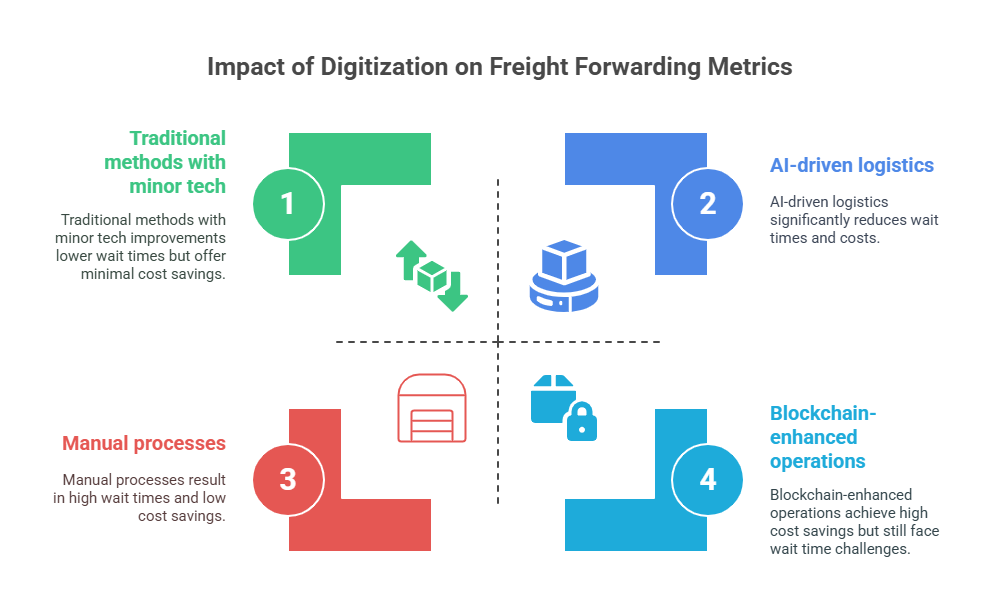
Recent industry analysis confirms that the future of freight forwarding is not fully digital, but Hybrid. Forwarders who integrate user-friendly digital tools with deep, localized operational expertise are the ones best positioned for sustained growth in complex trade lanes.
Related Insight: “Hybrid Forwarding Models Dominating SEA Logistics Market Due to Need for Human-Intervention in Customs” ** Source: Example Industry Analysis, Q4 2025 | Read More: [https://www.google.com/search?q=http://www.m2b.co.id/blog/hybrid-forwarding-sea-customs-challenge]
Conclusion: M2B’s Hybrid Advantage ✅
Digital Freight Forwarders are not “overhyped” in the sense that their technology is useful; they are overhyped in their promise to solve all of an importer’s problems solely through an app or dashboard. For importers dealing with Southeast Asian regulations, complex cargo, and dynamic trade flows, the partnership model is still king.
M2B offers the best of both worlds: the speed and visibility you expect from a digital platform, combined with the hands-on compliance and exception management expertise of a traditional, relationship-driven forwarder. Don’t just track your shipments; manage your risks.
Ready to Leverage the Best of Digital and Human Expertise? Get a Free Import Strategy Consultation Today! 🤝
If you are an importer seeking accurate quotes, guaranteed compliance, and a dedicated team, speak to M2B.
- Phone / WhatsApp: +62 812 6302 7818
- Email: info@m2b.co.id
- Website: www.m2b.co.id