
Introduction
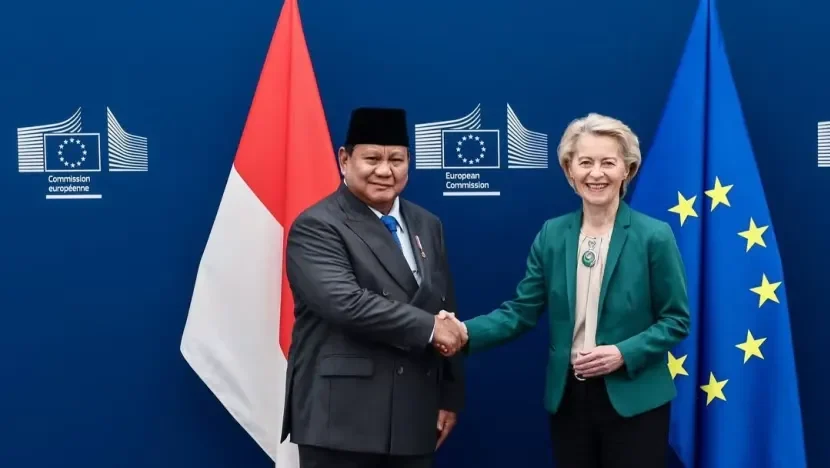
If you’re an exporter in Indonesia looking at the European market, the recently concluded trade deal between Indonesia and the European Union (EU) is a game-changer. This article breaks down what it means for your export strategy, especially in sectors like palm oil, textiles, footwear, electronics and more. We will go through the opportunities, the risks, what to watch, and concrete actions you can take.
What’s in the deal? 🔍
- The agreement (a form of a comprehensive economic partnership) will eliminate tariffs on over 98% of tariff lines, and close to 100% in terms of trade value, between Indonesia and the EU. Trade and Economic Security+1
- At entry into force, about 80% of trade will be liberalised; after 5 years it reaches ~96% liberalisation. Alvarez & Marsal+1
- For Indonesia: major sectors benefitting include palm oil, textiles, footwear, electronics, and also access for raw materials and industrial inputs. Antara News+1
- For the EU, Indonesia will open up industrial sectors: e.g., motor vehicles, machinery, electrical equipment, chemicals, pharmaceuticals. The Diplomat+1
- Non-tariff barriers and standards are addressed: smoother customs procedures, streamlined rules of origin, recognition of certifications, regulatory cooperation. Friedrich Naumann Foundation+1
Why this matters for you (as exporter, logistics & supply chain operator)
- Cost advantages: Lower or eliminated tariffs mean your Indonesian-made goods face less cost barriers entering EU markets. This improves competitiveness.
- New market-access windows: Products previously limited by high tariffs or regulatory friction now have a clearer path into Europe. Good for scaling exports.
- Supply-chain implications: With regulatory alignment and certification recognition, your shipping & logistics framework will need to support higher compliance (traceability, documentation, sustainability).
- Logistics opportunity: As a freight-forwarder / export-import specialist (which aligns with your domain), there will be new demand for export services, customs brokerage, supply-chain optimisation for Indonesia→EU flows.
- Diversification push: The deal encourages moving beyond raw commodities into higher‐value, downstream goods or processed products—good strategic pivot for many Indonesian exporters. Antara News
Key sectors to watch
- Palm oil & agri-commodities: Indonesia’s palm-oil exports to the EU could rise significantly under this deal. Reuters+1
- Textiles & footwear: These labour-intensive sectors are explicitly mentioned as beneficiaries. Antara News
- Electronics, machinery, industrial goods: With Indonesia opening to industrial imports from EU and aligning standards, the export landscape for components and electronics also shifts. The Diplomat
- Minerals & green supply chain: The EU is eyeing Indonesia’s mineral reserves (e.g., nickel, cobalt) for its green transition; you may see new export flows or logistic chains tied to these upstream sectors. SEC Newgate EU
What you must prepare (because no deal is just “set & forget”)
- Ensure compliance with EU standards – Even if tariffs drop, products must meet EU health, safety, environmental and labour-standards. The deal emphasises this. Trade and Economic Security+1
- Documentation & rules of origin – To benefit from preferential tariffs, your goods must meet origin and certification requirements. Logistics/ custom-brokerage must handle this flawlessly.
- Supply-chain traceability & sustainability – Especially for sectors like palm oil and timber, EU market access may depend on deforestation-free supply chains or credible certifications. SEC Newgate EU+1
- Logistics optimisation – With increased volume, you’ll need streamlined export procedures, efficient freight-forwarding, warehouse integration, customs brokerage—this is where your expertise (and business) becomes pivotal.
- Market strategy rethinking – If formerly you exported mostly commodities, consider moving up-value: finishing, packaging, branding—not just volume. EU buyers often pay premium for higher-value, certified, traceable goods.
- Capacity building & SME inclusion – For smaller exporters, there might be programs to help meet EU standards; consider partnering, mentoring, or offering services to help them (you could embed this in your logistics/export-service offering).
Action checklist for your company (or your clients)
- Audit current export flows to the EU: Which products, what tariffs, what compliance state?
- Map potential tariff savings: For each product variant, estimate duty elimination and competitive advantage.
- Review documentation & origin status: Are you ready for rule-of-origin criteria? Are your export invoices, certificates, shipping docs aligned?
- Implement traceability systems: For agri-goods, raw materials etc. Ensure you can provide certification, chain-of-custody data if required.
- Align logistics operations: Ensure freight forwarding, customs brokerage, warehousing, shipping routes are optimised for increased EU bound volumes.
- Develop marketing & value-added strategy: For exports to EU, highlight certifications, sustainability credentials, high quality or finishing.
- Train staff / partner network: Because new standards and regulatory frameworks mean new knowledge required (customs, shipping, documentation, compliance).
- Monitor regulatory updates: EU regulations (e.g., deforestation, sustainability), and the implementation date of the deal (likely Jan 2027) are key. The Diplomat+1
Pitfalls & risks to keep in mind
- The deal may take time to fully enter into force and be ratified—so don’t assume immediate full benefits.
- Sensitive products: Some agricultural goods (rice, sugar, certain meats) remain protected, so check if your product is excluded or subject to quotas. Trade and Economic Security
- Non‐tariff barriers can still bite: Compliance, standards, packaging, labs might impose extra cost if you’re not prepared.
- Competition will ramp up: With lower barriers, more exporters will ship to the EU, so you’ll need to maintain or raise quality, service, differentiation.
- Logistics complexity: Bigger volumes + stricter standards = more complexity, higher chance of error in shipping/ documentation; service excellence is key.
Why your freight-forwarder & export-logistics operation stands to win
Because you’re positioned in the export‐import & logistics domain, this deal is a tailwind. You can offer:
- End-to-end export facilitation (compliance, customs brokerage, documentation) for clients targeting EU.
- Value-added services: supply-chain traceability, sustainability certification assistance.
- Consultancy: helping exporters audit tariff savings, re-design product flows, and adapt to EU market demands.
- Diversified service packages for SMEs: many will need help navigating the new deal.
- Strategic marketing: Branding that leverages “Preferential access to EU market” as a selling point.
Conclusion
The new Indonesia–EU trade deal is not just another policy in the books—it opens up real operational opportunities for Indonesian exporters and logistics providers. For you, as a customs brokerage / freight-forwarder / supply chain specialist, the time to act is now. Gear up your operations, train your team, align your services with compliance and value-added export flows. The EU market is becoming more accessible—and you can be the partner that exports count on to make it happen.
Ready to get moving?
If your company wants to explore export flows to the EU, optimise your logistics, or ensure full compliance under this new deal—our team at PT. Mora Multi Berkah (M2B) – Logistic | Solution | Partner is here to support. Drop us a line:
📧 Email: info@m2b.co.id
📞 Phone/WhatsApp: +62 812 6302 7818
🌐 Visit: www.m2b.co.id
Let’s turn this trade-deal opportunity into growth for your export business.